The real cost of Вывоз строительного мусора: hidden expenses revealed
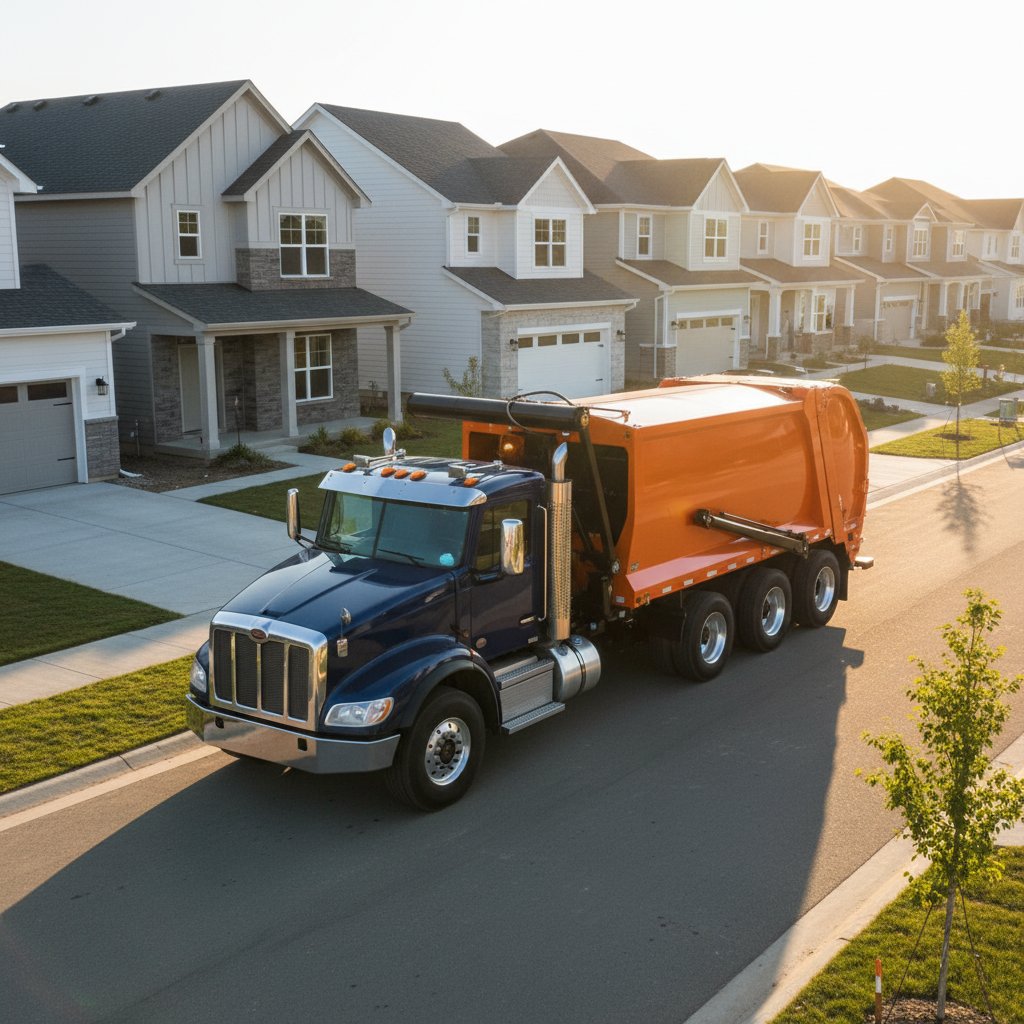
The Dumpster That Swallowed My Renovation Budget
Last spring, my neighbor Mike started what he called a "simple bathroom remodel." Three months and $4,200 in debris removal costs later, he was still finding mystery charges on his contractor's invoices. The actual demolition? That cost less than hauling away the rubble.
Construction debris removal—or вывоз строительного мусора as it's known in Russian-speaking markets—has become the silent budget killer in renovation projects worldwide. While everyone obsesses over tile selections and fixture finishes, the unglamorous business of getting rid of waste quietly drains thousands from project budgets.
Why Nobody Talks About the Trash
Here's the uncomfortable truth: most contractors give you a ballpark figure for debris removal, then hit you with the real numbers later. It's not always malicious. The waste stream from construction is genuinely unpredictable. That wall you're tearing down might contain asbestos. Those "few bags" of drywall scraps somehow multiply into a 20-yard dumpster.
According to EPA estimates, construction and demolition projects generate roughly 600 million tons of debris annually in the United States alone. Someone has to move all that material, and it's expensive in ways most homeowners never anticipate.
The Hidden Expense Breakdown
Permit Fees Nobody Mentioned
That dumpster sitting in your driveway? Many municipalities require permits for street placement, ranging from $50 to $300 depending on location and duration. Miss this step, and you're looking at fines that can hit $500 or more. Your contractor might handle this—or might conveniently forget to mention it until the citation arrives.
Weight Limits and Overage Charges
Standard dumpster rentals include a weight allowance, typically 2-3 tons for a 20-yard container. Concrete, brick, and dirt are deceptively heavy. A single bathroom floor demolition can push you over the limit, triggering overage fees of $50-100 per ton. I've seen kitchen remodels rack up an extra $800 just in weight charges because nobody calculated the density of old tile and mortar.
The Sorting Tax
Mixed waste costs more to dispose of than separated materials. Period. Landfills charge premium rates for unsorted debris because they have to do the work themselves. Smart contractors separate metal, wood, concrete, and general waste—but that labor costs money. The alternative? Dump fees that run 40-60% higher than sorted loads.
One Toronto-based renovation specialist told me: "We started separating everything on-site, even though it takes longer. Our clients save about $600 per project on average, and we can often sell the scrap metal to offset costs further."
Hazardous Material Surcharges
Lead paint. Asbestos insulation. Old treated lumber. These materials require special handling and disposal at certified facilities. Standard debris removal doesn't cover them. Asbestos abatement alone can cost $1,500-3,000 for a small bathroom, and that's before removal fees.
The Distance Factor
Disposal facilities aren't everywhere. In rural areas or regions with strict environmental regulations, contractors might drive 45 minutes each way to reach an approved dump site. Those fuel costs and labor hours get passed directly to you. Urban projects face the inverse problem: limited dump access means higher facility fees due to demand.
What the Pros Know (And You Should Too)
Experienced contractors build a 15-20% buffer into debris removal estimates. They've learned the hard way. A complete home renovation generates roughly 25-50 cubic yards of waste—that's 3-5 large dumpster loads at $400-600 each, plus disposal fees.
The smartest approach? Negotiate a "not-to-exceed" price with built-in contingencies. If your contractor can't provide detailed breakdowns of expected waste volumes, disposal fees, and hauling costs, you're probably getting a number pulled from thin air.
Key Takeaways
- Budget 10-15% of total project costs for debris removal, not the 5% most contractors suggest
- Ask about weight limits upfront—overage charges average $75 per additional ton
- Separate materials on-site to save 40-60% on disposal fees
- Check permit requirements before the dumpster arrives to avoid fines
- Get hazardous material testing done before demolition begins, not after
- Request itemized invoices that break down hauling, disposal, and any additional fees
The Bottom Line
Mike eventually finished his bathroom. It looks fantastic. But he still winces when he talks about the debris removal line items. "I spent more getting rid of the old bathroom than I did on the new vanity," he told me last week.
Construction waste removal isn't glamorous, but it's real money leaving your pocket. Treat it like any other major expense category: demand transparency, build in buffers, and never accept vague estimates. Your renovation budget will thank you.